Lola and Finn's Mum

Lola and Finn's Mum

Tuesday, 23 August 2011

On Location! Pork, chickpea and orange stew.


Yes, I am sure people think I am mad that I cook on holiday. Holidays are the time when you disengage and let everybody else take the strain. Well, because I am obviously deranged, cooking is part of it all when I am away. I love mooching around the markets and supermarkets and seeing what I can make. The quality of produce is something that we can only dream of in the supermarkets in this country, but then I am not offended by a misshapen tomato; it's all about the flavour.

Don't get me wrong, I do go out to eat, and we by and large ate well on this holiday. The Cypriot Meze was amazing, the souvla, the dolmades, and the Italian restaurant we happened upon one night was just delish. I swooned my way through main course and dessert. But, there is something about cooking with fabulous ingredients in a different kitchen which is as important as crashing out on a sun lounger with a good book to me.

Ingredients:

10oz (ish) of dried chickpeas, soaked overnight (or you could use tinned and cut the faff)
1lb of boneless leg of pork cut into chunks (I used pork souvla meat from the butchers when in Cyprus)
5-6 tablespoon – olive oil, plus a knob of butter
2 large onions, sliced
2 chopped garlic cloves,
1 small dried red chilli, or you could use a fresh one. I deseed mine because of the children but the choice is yours.
Two tins of chopped tomatoes,
Grated or pared zest of an orange
Handful of  chopped parsley (optional)
Salt and pepper to taste
A squeeze of lemon (optional - see method)


Method:

Drain the chickpeas, rinse them under cold water and drain them again. Place them in a large pan. Pour in cold water to cover, cover and bring to boil. Skim the surface, replace the lid and cook gently for 1 hour, or until the chickpeas are soft. (It may take less) Drain, reserving the cooking liquid and set them aside.


Heat the olive oil and butter in the clean pan and brown the meat cubes in batches. Remove to a plate.

Now, add the onion to the oil remaining in the pan and sauté until light golden. Stir in the garlic and chilli then as soon as it becomes aromatic, add the tomatoes and orange rind.


Return the chickpeas and meat to the pan, and pour in enough of the reserved cooking liquid to cover. Season.


Mix well, cover and simmer for about 1 hour or until the meat is tender. Stir occasionally and add more of the reserved liquid if needed. You're looking for something that is not dry, but that isn't soupy either.

Add parsley if using, stir in and then check seasoning. I decided to brighten the taste up with a squeeze of lemon. It's by no means necessary but I do like zing!

I served this with roast potatoes, at the request of Lola who cannot resist them. Better accompaniments might be crusty bread or greens of some description but the choice is yours.

Enjoy!

Saturday, 30 July 2011

Shepherd's Pie = Comfort Food; the best food a mum can make!


Seeing as it is an English Summer (and a typically Northern one at that - dull; dreary; dank - and many other adjectives beginning with 'd') I thought I would put a smile on the faces of the bubs and Phill by making a Shepherd's Pie. It's a recipe that never gets old, and it is a great favourite in our house. I consider it good, healthy, wholesome food, which can be dressed up and down as you wish. Even though I'm working on the premise of the clatter of forks and spoons rather than the sparkle of a Michelin star here, I defy any guest for dinner not to be secretly quite pleased that you decided on this as the meal to offer. Come in. Sit down. Open a bottle of red if you like, and dig in.

Ingredients:

Two onions, chopped.
Two large carrots, or three medium ones, diced.
A bay leaf
Two teaspoons of dried thyme
500g lamb mince (for this is 'Shepherd', not 'Cottage')
A tablespoon of tomato puree
About 10 drops of Worcestershire Sauce (or more if you like oomph)
About a litre of lamb stock (and yes I use stock cubes. Knorr for preference)
A handful of frozen peas
Salt and pepper to taste

The Topping:

Mash is extraordinarily personal. It's a bit like how you like your tea. I am not a fan of the silky, luxurious, Michelin starred mash. I like my mash made with milk or cream, butter and salt and pepper. And I like it to look like clouds. Cumulus clouds. And I really couldn't tell you quantities either, but it's something like:

Ten biggish potatoes - I use Vivaldi or Lady Balfour
A generous knob of butter
A couple of splashes of cream or milk
Salt and pepper
 

Method:

Dice onions and carrots, heat the oil in a pan.

Put the onions in first, and let them sweat a little. The add the carrots and the bay leaf and thyme. Cook for about five minutes or so.


Add the lamb mince and stir through to break up any lumps. Make sure the lamb is well browned before you continue to add any other ingredients.

Stir in tomato puree and Worcestershire sauce and then add the stock.


Reduce the mixture on a mediumish heat for about 30 minutes until the mixture is like a sauce. Add the peas  for the last five minutes or so. Season at this point.

Meanwhile, while the meat is reducing, prepare the mash. Boil the potatoes in salted water until tender. Drain.

Add the butter and a splosh of cream/milk and then release your anger/frustration by mashing it to within an inch of its life. Or use a ricer or food mill if you want your cooking to be less strenuous. You may need to or want to add more liquid or butter to achieve the consistency that you like.

Taste the mash. It is likely it will need salt and pepper.

Preheat the oven to 180 c


Place the meat mixture into a suitable ovenproof dish.

Pile the mash on top of the meat mixture and flatten and decorate how you wish. You could pipe the mash if you like. Personally, I like to spread the mixture and then rough up the surface with a fork. Dot with butter.

Place in the oven for about half an hour or until the top is golden brown.

Serve with vegetable of your choice. Green beans for me!


Even better the next day, and of course you can make this in advance, assemble it, allow it to cool and put it in the fridge until required.


Tuesday, 26 July 2011

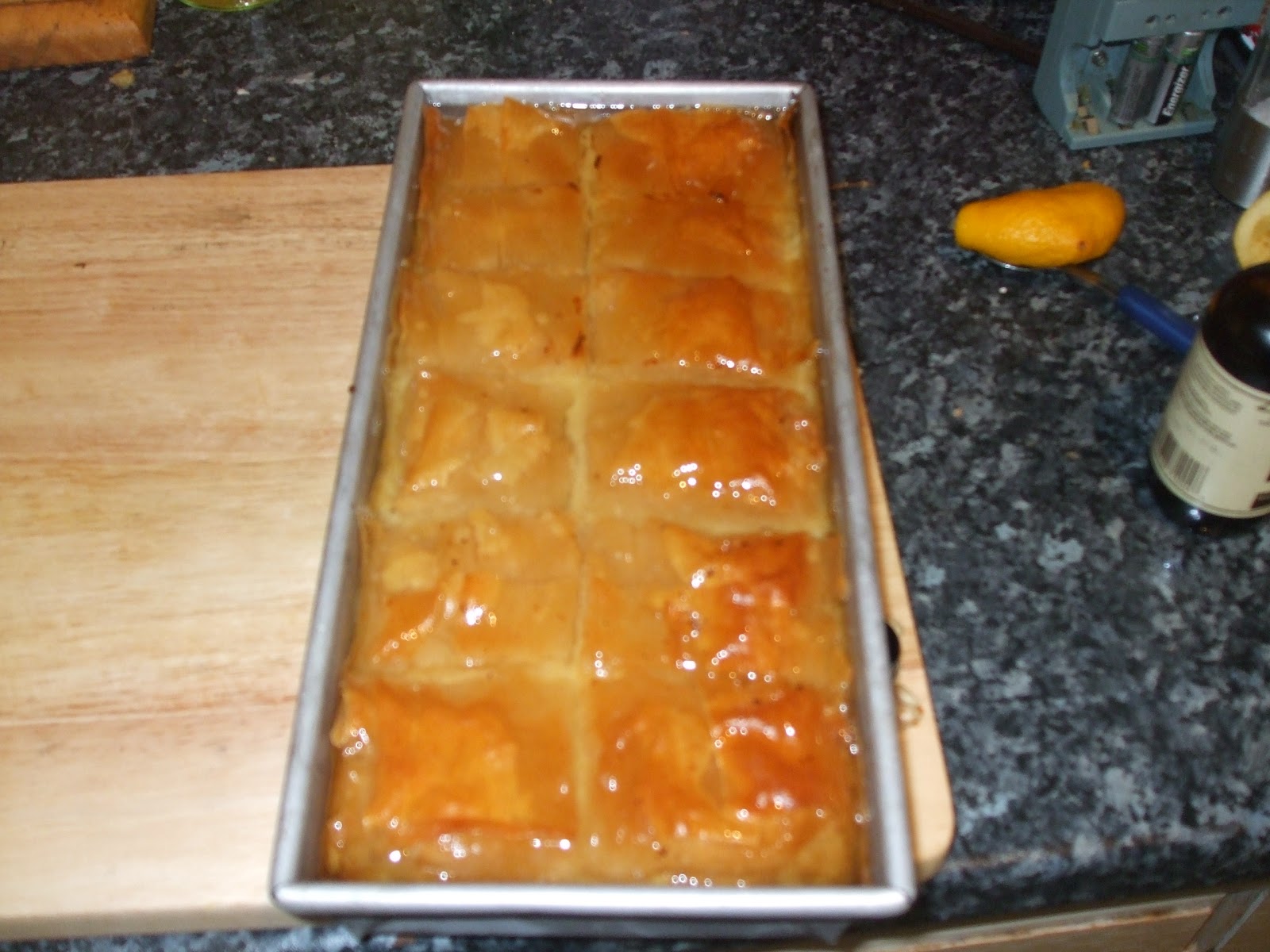
Holiday memories! Galaktoboureko

I cannot help but associate food with memory, whether that be times with family and friends, places I have visited or that secret chocolate cake (or something) that you bought and ate on the sly, without any help from anyone else. Thinking of holidays, last year's visit to Crete has inspired my cooking for quite a lot of this year and I was pleased to find this recipe in Vefa's Kitchen by Vefa Alexiadou. It was something very similar to this recipe that I ate my own body weight of whilst I was on holiday. It was called 'Bougatsa' then and whilst I am sure this is not the 'real' Bougatsa, this does provide the same delicious, tooth achingly sweet combination of crisp filo and smooth vanilla custard. I ate this for breakfast, lunch and dinner and if I broke the rules, I apologise. It was deliciously good.


Recipe:

1 1/2 pints milk


3 eggs and 2 egg yolks


3 1/2 oz caster sugar


2 1/2 oz fine semolina

A vanilla pod


1 8oz packet filo pastry

4 fl oz  unsalted butter, melted.


For the syrup:


11oz caster sugar


1 tbsp lemon juice

8oz water


1 tsp vanilla extract, or rosewater.


Boil the milk in a saucepan with a split vanilla pod. Once boiled, take off the heat, and leave to cool and for the vanilla to infuse. (You could use vanilla extract but I love little black vanilla flecks in custard and so acted accordingly)


Beat the eggs and sugar with an electric mixer till light and creamy (or use a whisk if you are feeling energetic)


Add the semolina and mix well.


Now you are going to combine the two mixtures together. Because of my nervous disposition, I add a ladle of the milk and vanilla mixture to raise the temperature of the egg mixture slightly. Scrambled egg at this point is not what I want. When the egg mixture is slightly looser than it was, I add it slowly to the milk mixture, stirring constantly. Cook the mixture stirring, over low heat, to maintain a smooth textured cream, about 10 minutes.


Remove from the heat, remove the vanilla pod and add 4 tablespoons of the butter.


Grease a large rectangular dish or baking tin with some of the melted butter. I use my brownie tin.


If you are a filo 'virgin', then make note of a key instruction. Filo dries out very quickly and so keep all the sheets of filo you are not using under a damp, clean tea towel or cloth.


Place one sheet of filo at a time into the dish, buttering each one with melted butter. Patch where necessary if your sheet is not big enough to cover the bottom of the dish. You are aiming to use half the pastry (about six sheets) in the base of the dish.


Pour in the custard and spread it evenly over the pastry.


Continue placing the remaining filo sheets on top of the custard, brushing each one with the melted butter. Brush the surface with melted butter and sprinkle with some drops of warm water to prevent the filo from curling up while baking. At this point cut the pastry into squares or diamonds, as it will be nigh on impossible to do so once it is cooked.


Bake in a 180Âş C pre-heated oven for 15 minutes then reduce the temperature to 160ÂşC and bake for about 35 minutes longer until the top is golden brown.


To make the syrup, put the ingredients in a saucepan and bring to a boil. Let it boil until the syrup appears to thicken. Don't let it colour significantly.


 Ladle or pour the syrup slowly over the pastry as soon as you remove it from the oven.


Allow it to absorb the syrup and cool slightly.


You can serve warm or cold. Keep any leftovers in the fridge. Nice for breakfast!

Thursday, 7 July 2011

Kefta Mkaouara, or a simple, tasty Moroccan dish of lamb meatballs and egg in a tomato and cumin sauce.


Yum. Moroccan food. I love its heady, exotic smells and the vibrancy of colours as the completed dish is brought to the table. This dish, which is remarkably simple to make and quite economical, does not disappoint on either score. Phill's words were "Something smells good!" as he walked in from another trying day at work, and it did. The smell of lamb and cumin cooking together is instantly mouthwatering. And when the dish is completed, the dark red tones of the sauce contrasted with reassuringly golden yolks, and the flecks of verdant coriander set the dish off beautifully. You can't help but want to dive in. We did. Lola and Finn in particular were big fans of this dish which makes it even more of a winner in my book.
 
This dish is adapted with care from the original Rick Stein recipe in his wonderful book 'Mediterranean Escapes'. I chose to moderate the heat in the dish by using a milder paprika rather than the hot stuff as recommended in the original recipe. Phill and I would eat this with relish with a little more kick but the children would be less willing, but I don't think the dish suffered at all. If you season the meatballs and the sauce judiciously then what you might lose in kick you more than make up in terms of flavour. The other tweak I made was to substitute coriander for parsley. In my mind, lamb, cumin, tomato and coriander are an amazing combination and made to be together. Plus, I love coriander and need very little excuse to use it. Enjoy!
 
 
  Kefta Mkaouara, taken from Meditteranean Escapes by Rick Stein
 
Serves 4
Olive oil
 
4 fresh medium free range eggs
 
salt and pepper


For the meatballs

1 onion, chopped, (or blitzed in the food processor)

500g minced lamb
2 tablespoons (or more if it's your thing) finely chopped fresh coriander

1 tsp ground cumin
 
1/2 tsp paprika, and you could use hot if you want more of a kick, but for children, I decided to err on the side of caution.

For the sauce

2 small onions
 
2 x 400g can of chopped tomatoes (I use, for preference, tinned cherry tomatoes but it is by no means obligatory)
 
1 tsp ground cumin
 
1/2 tsp paprika (hot if you are of a mind to...)
 
1 tsp freshly ground black pepper
 
2 garlic cloves, crushed

More coriander for garnish or to put into the sauce if you like.

 
Method:
 

I am lazy. I used my food processor to blitz the onion and then added the rest of the meatball ingredients as illustrated. You can obviously do this by hand by chopping the onion before adding the rest of the ingredients.

Wet your hands (crucial!) and then shape the mixture into small balls.


Heat3 tbsp olive oil (and be prepared to add more if necessary) in a tagine (lucky you!) or a frying pan or if you're like me, my paella pan (again).


Brown the meatballs briefly on all sides, remove and set them to one side.


For the sauce, using the same pan you browned the meatballs in, add the onions to the pan (with extra oil if necessary) and saute gently until very soft but barely browned. Then add the chopped garlic and fry until fragrant.


Add the remaining ingredients for the sauce to the onions and leave to simmer for approximately 15 minutes. The sauce should concentrate and at that point you can add the meatballs back to the sauce.  

Taste the sauce for seasoning.

Make four little wells in the sauce and break four eggs into each well.  I space them out in a north, south, east and west arrangement.

 Place a lid on the pan (or, like me, some foil over the top of the paella pan) and over a low to moderate heat, allow the eggs to cook. A runny egg is nice but the dish does not suffer when the yolk is firmer in my opinion).

Serve, at the table, with some carbohydrate, maybe couscous, or flatbreads, or good quality bread such as an olive bread or sourdough or something. 

If you serve at the table, there are plenty of opportunities to dunk your bread in the pan after you have finished eating. Heaven!

Monday, 4 July 2011

Olé! Chicken and Chorizo Paella


I love Spain. There, I said it. From memories of girlie holidays to football to paddling in the Med with my bubs I am in love with the place. It's been too long since I was last there and because that is the case I try to create an Iberian feel 'en mi casa', with some Spanish cuisine and a decent drop (or two) of Rioja. This recipe is a favourite with my long suffering companion and food taster Phill, who asks for this, often, and will, if necessary, hoover up any leftovers.

Now, if you're a purist, then this recipe may offend. My problem is that I am the only one in this house who likes fish (and fish fingers do not count). Anything remotely fishy or 'baby bird' like and it's a no go so this recipe through necessity contains just chicken, cut into decent chunks and chorizo. Much as I like fish this paella is pretty damn good, and extraordinarily easy to make if you are vigilant and able to cook things in sequence.

This recipe tweaked by me, is influenced by Tamasin Day Lewis' version of paella who in turn was inspired by those clever people at Moro whose cookbooks I adore.


Chicken and Chorizo Paella (for all you fish haters out there...)

Serves 4 in our house, maybe 6 at a (very big) push...
7 tbsp olive oil

Four chicken breasts, sliced 'chunkily'

6oz cooking chorizo if you can get it, cut into little pieces. Failing that use a chorizo ring, not the sliced stuff for sandwiches

2 large Spanish onions, finely chopped

1 large green pepper, halved, seeded and finely chopped

4 garlic cloves, finely chopped

8oz/225g calasparra (paella rice)

1 tsp sweet smoked Spanish paprika

two roasted piquillo peppers, or ordinary roasted peppers from a jar
1.75 pints/900ml hot chicken stock or water

Lots of parsley, for garnish and taste.

1 lemon, cut in wedges

Sea salt and black pepper

Method:


In a 30-40cm paella pan or frying pan, heat the olive oil over a high heat, stir-fry the chicken for a few seconds so it is golden but still a little undercooked. Season with salt and pepper.

Remove from the pan with a slotted spoon and put to one side.

Turn down the heat to low, and fry the chorizo for a minute. Add the onion and cook for 20 minutes, stirring occasionally.

Add the green pepper and garlic, and continue cooking for a further 5-10 minutes. At this point, the mixture should have caramelised and taste sweet.

Stir the rice into the pan to coat in the mixture for a minute.  Now season with salt and a little pepper; this is the time to season the rice perfectly.

Add the paprika and peppers, drained of their water, followed by the hot stock, and simmer for 15 minutes or until there is just a thin layer of liquid around the rice.

Return the chicken and juices to the pan at this point, and cover the pan tightly with a lid or tin foil for about 5 minutes or so. Then add the parsley, cut the lemon into wedges and place on the edge of the paella pan, like so:


Rioja is such a lovely thing to serve with this! Don't let this opportunity slip away!
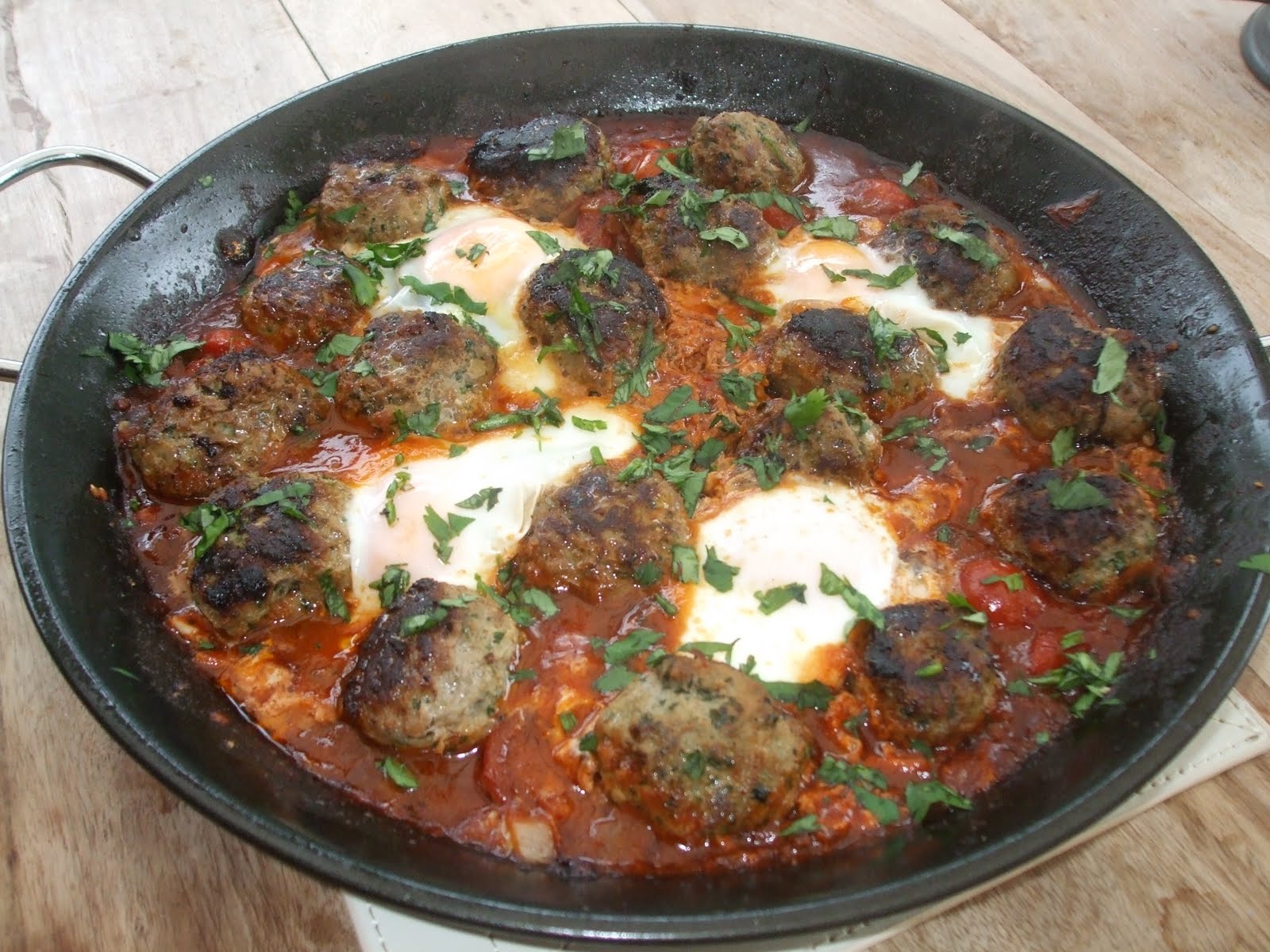
¡Delicioso!

LinkWithin

Related Posts Plugin for WordPress, Blogger...